As Binance doesn't allow Master Account see MSA account Future PNL Analysis, so we decide to clone Binance Future PNL Analysis page with Phoenix Live View to show all Account Future PNL
- Phoenix Live View has built-in Websocket management so we can update data realtime with price or position update
- Efficient handling of continuous data streams from Binance
- Automatic connection management and recovery
- Keeps sensitive trading data secure on the server
- Ensures calculation accuracy for PNL computations
- Prevents client-side manipulation of important data
- Handles all PnL calculations server-side
- Better precision for financial calculations
- Centralized calculation logic
- Single technology stack (Elixir)
- No need for separate frontend framework
- Simplified state management
Base on Binance Docs we have compound data from 2 timescale tables: ts_user_trades and ts_future_incomes
- ts_user_trades: to calculate realized pnl, commission, and trading volume
- ts_future_incomes: to calculate funding fee and net inflow
-
ts_user_trades and ts_future_incomes are large data tables so if we use normal table with indexing it will be slower by time that why we use timescale to hyper chunks to prevent this issue
-
ts_user_trades is hyper by 1 day
-
ts_future_incomes is hyper by 30 days
Ecto query to calculate PnL data from ts_user_trades and ts_future_incomes
from(t in TsUserTrades,
  where: t.account_id in ^account_ids,
  where: t.time >= ^start_time and t.time <= ^end_time,
  group_by: [
    t.account_id,
    fragment("time_bucket('1 day', ?)::date", t.time)
  ],
  select: %{
    account_id: t.account_id,
    date: fragment("time_bucket('1 day', ?)::date", t.time),
    commission: fragment("COALESCE(-1 * ABS(SUM(?)), 0)", t.commission),
    realized_pnl: coalesce(sum(t.realized_pnl), 0),
    trade_volume:
      fragment(
        "COALESCE(SUM(CASE WHEN ? IS NOT NULL THEN ? ELSE 0 END), 0)",
        t.quote_qty,
        t.quote_qty
      )
  }
)

from(i in TsFutureIncomes,
  where: i.account_id in ^account_ids,
  where: i.time >= ^start_time and i.time <= ^end_time,
  group_by: [
    i.account_id,
    fragment("time_bucket('1 day', ?)::date", i.time)
  ],
  select: %{
    account_id: i.account_id,
    date: fragment("time_bucket('1 day', ?)::date", i.time),
    net_inflow:
      sum(fragment("CASE WHEN ? = 'TRANSFER' THEN ? ELSE 0 END", i.income_type, i.income)),
    received_funding_fee:
      sum(
        fragment(
          "CASE WHEN ? = 'FUNDING_FEE' AND ? > 0 THEN ? ELSE 0 END",
          i.income_type,
          i.income,
          i.income
        )
      ),
    paid_funding_fee:
      sum(
        fragment(
          "CASE WHEN ? = 'FUNDING_FEE' AND ? < 0 THEN ? ELSE 0 END",
          i.income_type,
          i.income,
          i.income
        )
      ),
    insurance_clear:
      sum(
        fragment(
          "CASE WHEN ? = 'INSURANCE_CLEAR' THEN ? ELSE 0 END",
          i.income_type,
          i.income
        )
      )
  }
)
Because timescale table will be spitted into multiple chunks so if we use normal query it will have timeout issue if range too long. So we have to use time_bucket to let it join multiple chunks.
-
We implement account_pnl_analysis_cronjob to backfill from today until oldest date has ts_user_trades order ts_future_incomes to calculate daily pnl
-
For current day, we will run interval 1 hour to update data
-
With this cronjob it will help us no need to recalculate from 2 tables every request so it will be fast and don't make database pressure
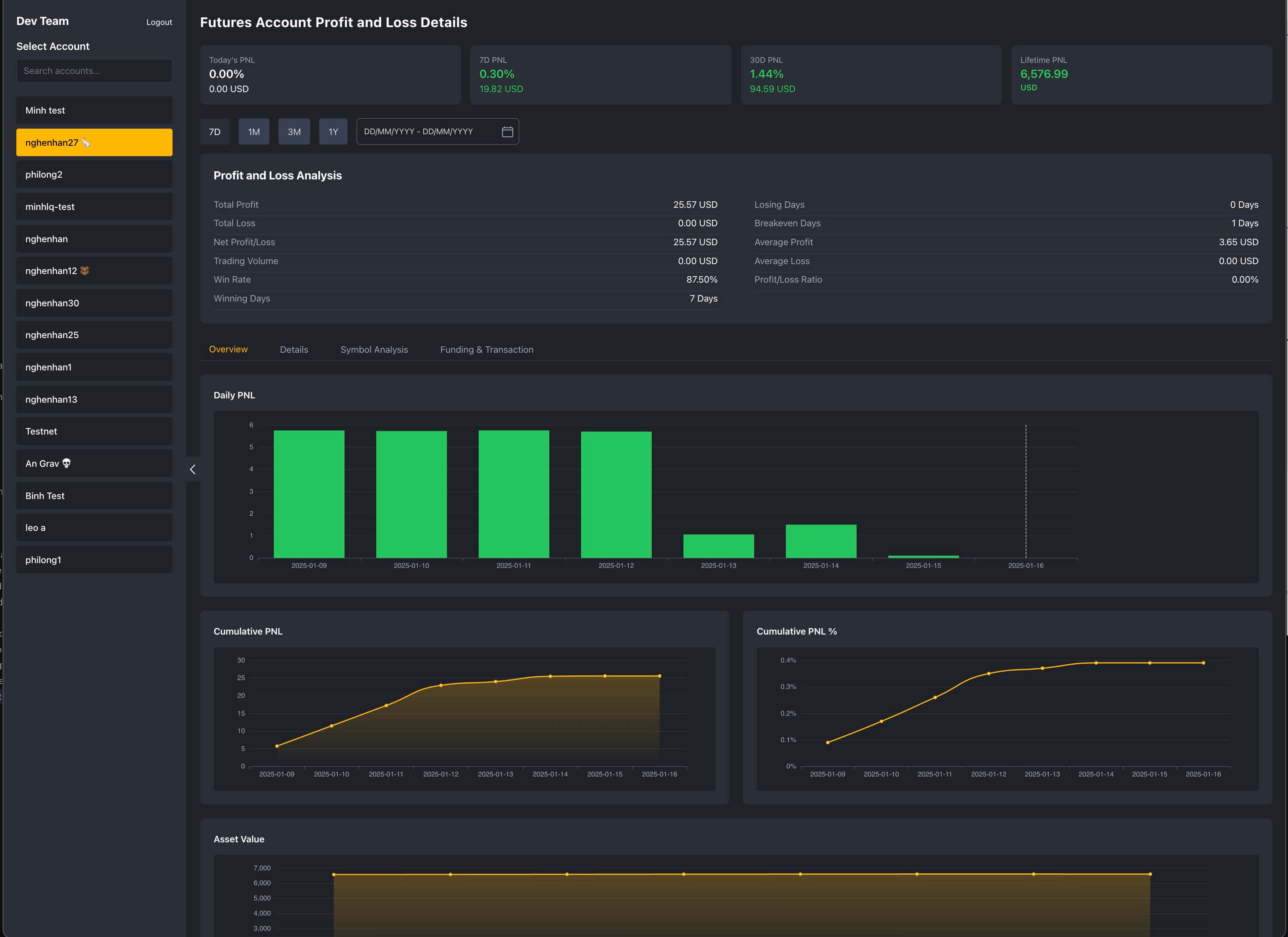 Figure 1: Future PNL Analysis Overview Tab
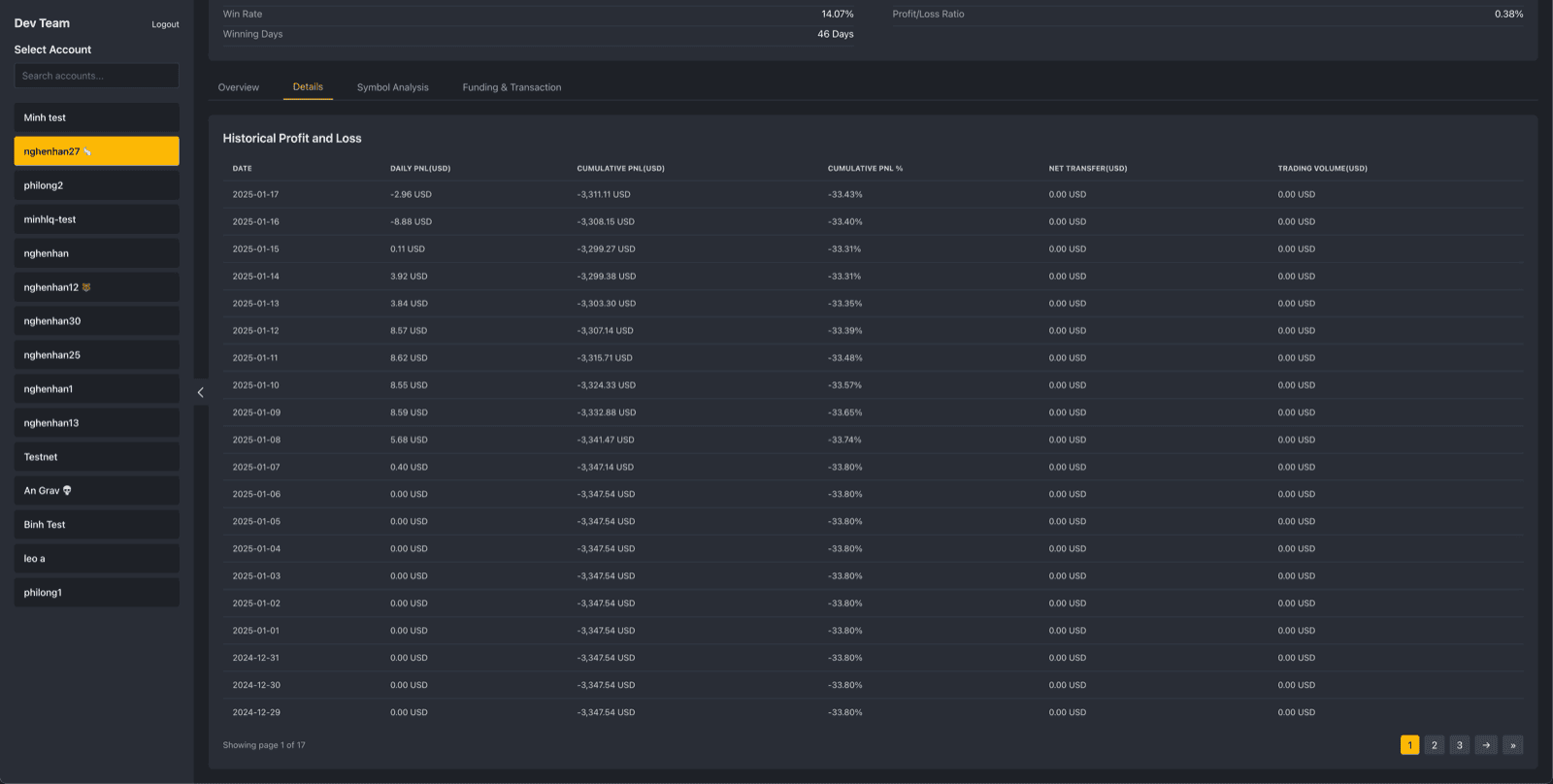 Figure 2: Future PNL Detail Tab
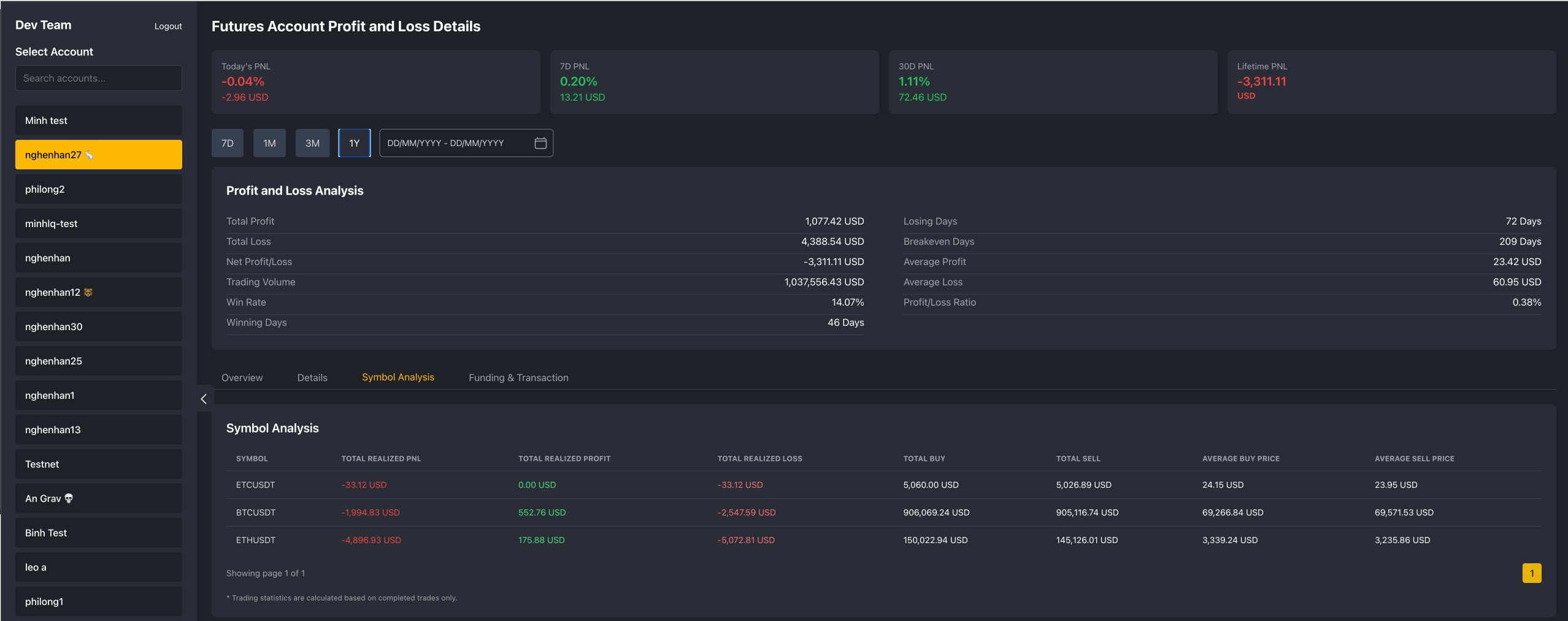 Figure 3: Future PNL Analysis Symbol Tab
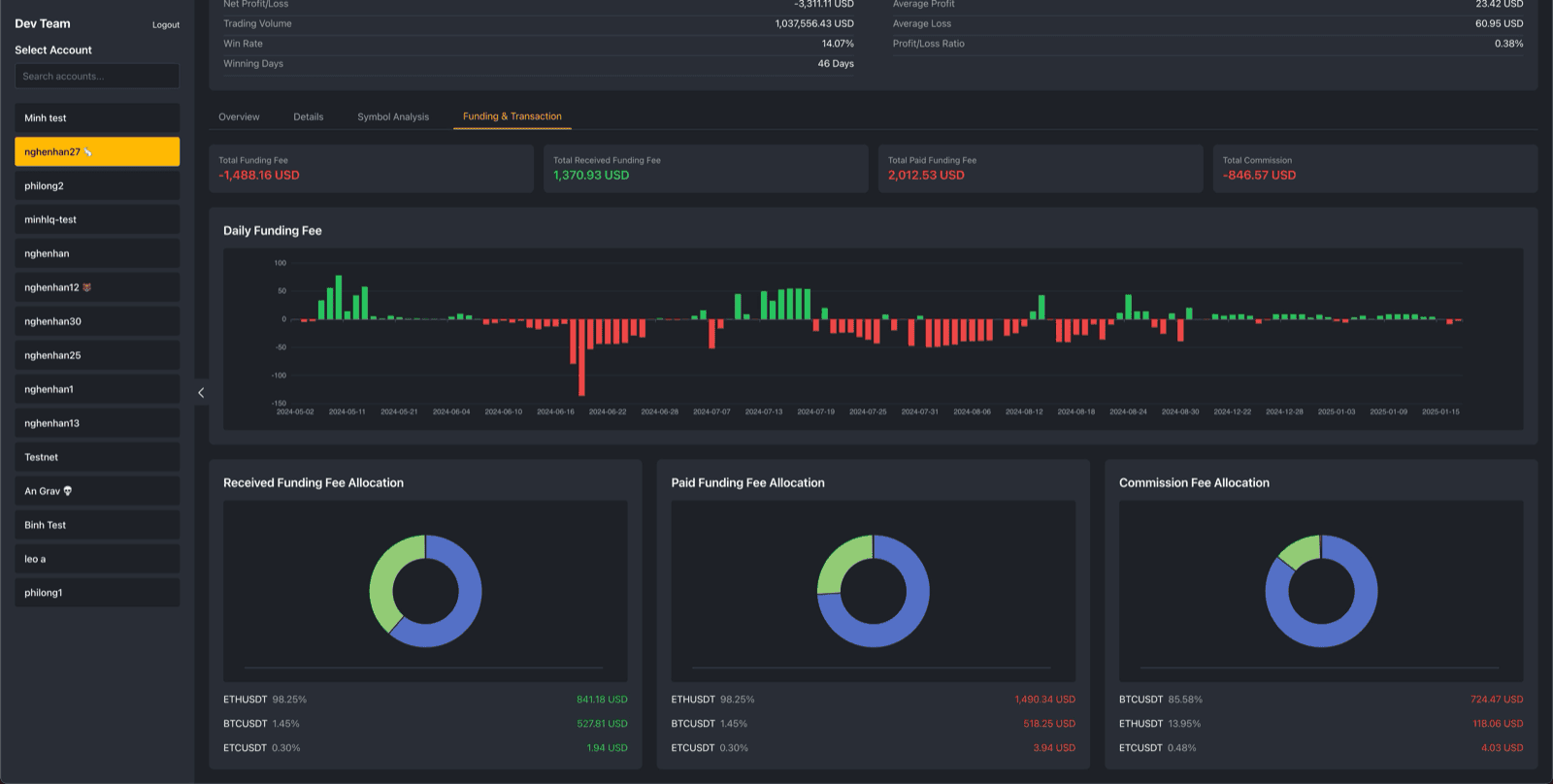 Figure 4: Future PNL Funding and Transaction Tab